Akuamma Extract
Picralima nitida seed, from West and Central Africa. The lead botanical in this blend and the one most of the research below concerns.
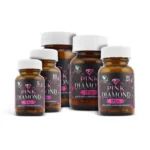
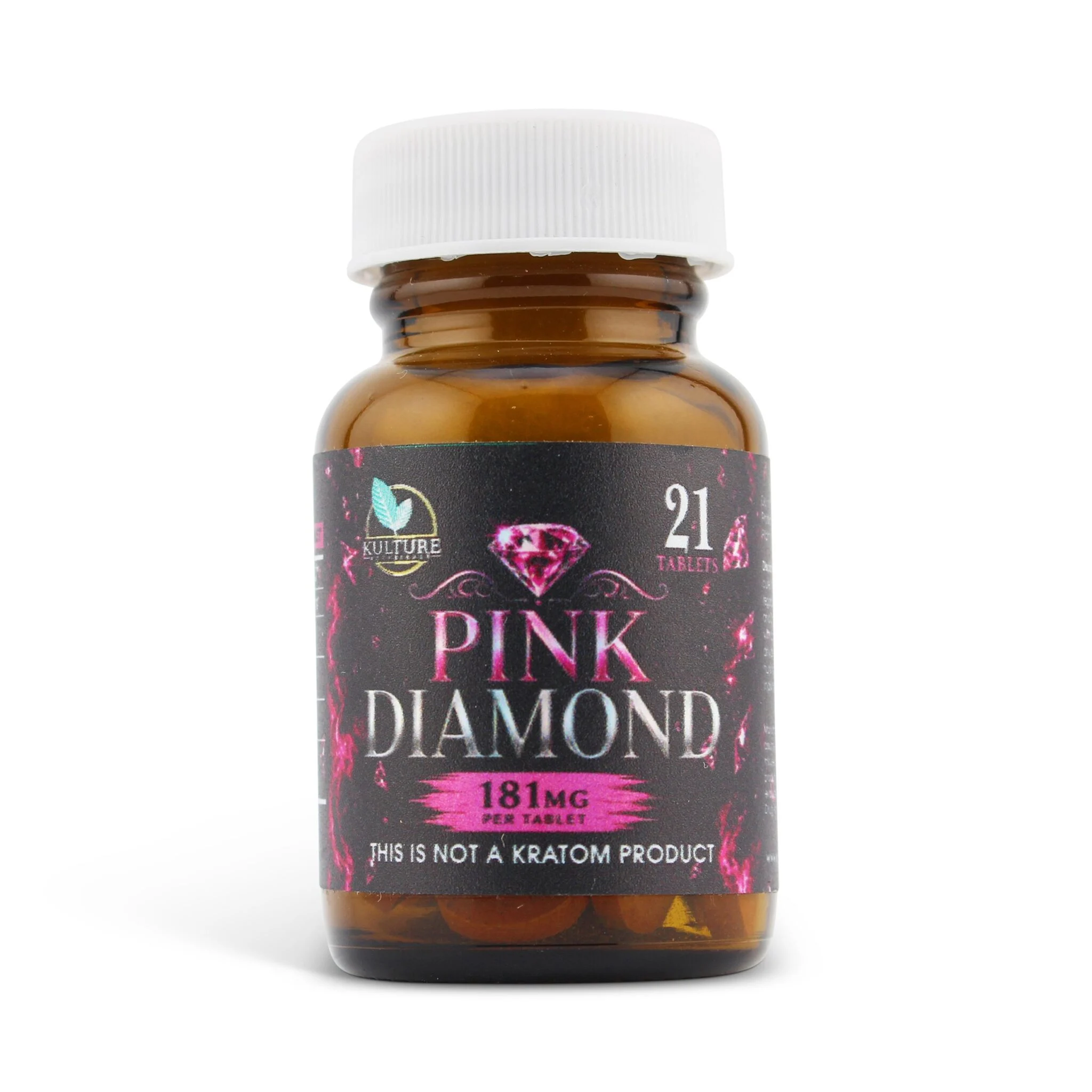
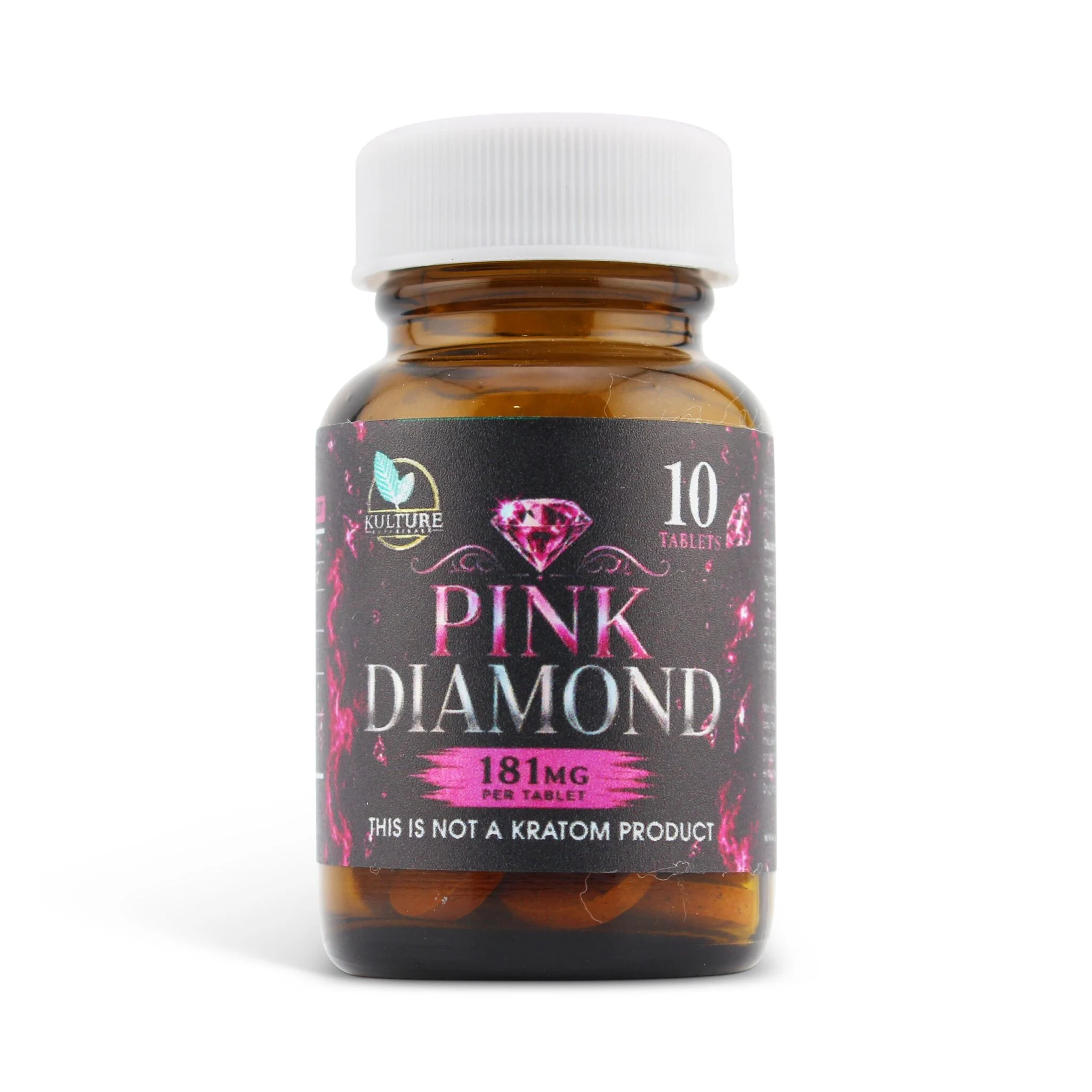
Price range: $70.99 through $129.99
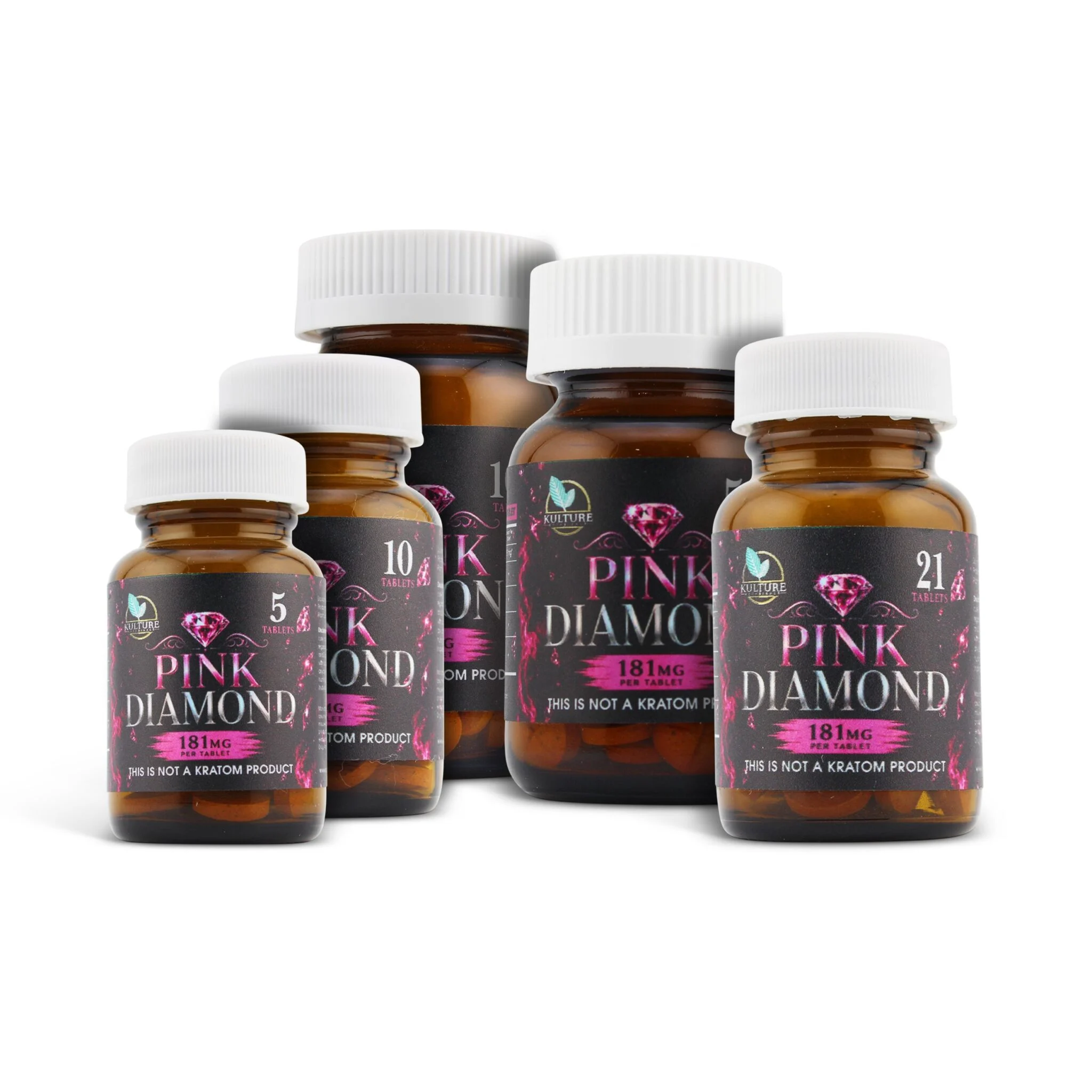
Pre-measured tablet combining Akuamma extract from Picralima nitida with Corydalis, Blue Corydalis, and Black Pepper extracts. The 181mg figure represents the complete blend per tablet — not Akuamma alone. Each serving contains 37.75mg, as marked on your label. Available in 10-count and 21-count bottles.
Pink Diamond is a four-extract botanical tablet from Kulture Botanicals, built on Akuamma seed extract with Corydalis, Blue Corydalis and black pepper. It contains no kratom and no 7-hydroxymitragynine.
Most people arrive at this page from one of three questions: is it a 7-OH replacement, what does the 181mg actually mean, and will it show on a drug test. All three are answered below, along with what the published research does and doesn’t support.
It is sold in that aisle. It is not a chemical equivalent, and we won’t describe it as one.
Since the DEA scheduled mitragynine pseudoindoxyl, MGM-15 and MGM-16 in August 2026, and with 7-OH scheduling still pending, a lot of shoppers are looking for what to buy instead. Akuamma blends are the product category that grew into that gap, which is why you’ll see them shelved and labeled as 7-hydroxy replacements across the industry.
What we can tell you accurately: Pink Diamond contains no 7-OH, no mitragynine, and no kratom of any kind. It is a different plant with a different alkaloid set. What we won’t tell you is that it reproduces what a 7-OH tablet does, because the research doesn’t support that claim and neither does honest selling. Read the next section before you decide.
The 181mg is the whole blend, not one ingredient. All four extracts together make up that figure, and Kulture Botanicals does not publish the split between them. If you need to know exactly how much Akuamma you’re getting, that number isn’t disclosed on the label — by us or by the manufacturer.
Picralima nitida seed, from West and Central Africa. The lead botanical in this blend and the one most of the research below concerns.
Corydalis yanhusuo root and rhizome. A Traditional Chinese Medicine botanical; its best-studied alkaloid is tetrahydropalmatine (THP).
Corydalis flexuosa root and rhizome — a related but distinct species from the one above.
Piper nigrum at a 95% piperine standard. Included as a formulation ingredient, and the reason the interaction section below matters.
This is the section most product pages skip. Akuamma is often sold on the strength of its traditional West African use as a pain remedy, and that use is real. The laboratory picture is more complicated, and you should have it before you spend money.
So: receptor activity is documented, effect in people is not. Anyone telling you an Akuamma blend performs like a concentrated kratom or 7-OH product is going beyond the evidence. We’d rather you buy this knowing that than find out afterwards.
Because no human trial has established a serving-to-effect relationship for this blend, there is no evidence-based reason to take more than the label says, and taking more is not a way to make up for what the research doesn’t show.
One of the most common questions in this category, and one that deserves a straight answer rather than a reassuring one.
Standard workplace panels — the 5, 10 and 12-panel screens most employers use — test for a defined list of controlled drugs. Akuamma and Corydalis alkaloids are not on those lists, and neither is kratom on most of them. On that basis, a routine screen is not designed to detect anything in this tablet.
What we can’t promise: that no test anywhere will flag it. Specialised laboratory methods can identify alkaloids that standard panels ignore, and no published validation exists for how Akuamma alkaloids behave across every screening method. If your job, custody arrangement, treatment programme or sport governing body tests you, ask them — not a retailer — before taking any botanical product.
Picralima nitida (Akuamma) and Corydalis yanhusuo are not scheduled under the federal Controlled Substances Act. Neither was named in the DEA’s 2026 action, which covered mitragynine pseudoindoxyl, MGM-15 and MGM-16.
Because this blend contains no kratom, state kratom bans do not apply to it on their face — which is the practical reason many customers in ban states look at Akuamma in the first place. That said, state supplement and novel-ingredient rules differ and can change, so confirm your own state’s current position before ordering.
Neither botanical is an FDA-approved drug, and neither has been evaluated by the FDA for safety or effectiveness in these products.
Two ingredients here have documented interaction potential, and the combination is the reason this section is longer than most.
If you take any prescription medication, speak to a pharmacist or physician before using this product. A pharmacist can check your specific list in a couple of minutes, and that is a better use of your time than searching for interaction lists online.
Because Akuamma alkaloids show activity at opioid receptors in laboratory studies, don’t assume a botanical label means a product is risk-free to use daily or indefinitely. No long-term human safety data exists for this blend.
All three are Kulture Botanicals tablets sold in the same category, and the names don’t make the differences obvious. Here is what actually separates them.
| Pink Diamond | Diamond Edition | Platinum Fusion | |
|---|---|---|---|
| Lead botanical | Akuamma (Picralima nitida) | Akuamma (Picralima nitida) | Conolidine (Tabernaemontana divaricata) |
| Total blend per tablet | 181mg | 151mg | 188mg |
| Labeled serving | 37.75mg | 75.5mg (½ tablet) | 47mg (¼ tablet) |
| Bottle sizes | 10 or 21 count | 10, 21 or 50 count | Single size |
| Shared extracts | Corydalis · Blue Corydalis · Black pepper | Corydalis · Blue Corydalis · Black pepper | Corydalis · Blue Corydalis · Black pepper |
| Contains kratom | No | No | No |
Tap a question to expand the answer.
No. It contains no 7-hydroxymitragynine and no kratom. It is sold in the same aisle as 7-OH alternatives because that is where demand moved after the 2026 DEA scheduling action, but a shared shelf is not a shared chemistry. We make no claim that it reproduces the effects of a 7-OH product.
No. Akuamma (Picralima nitida) and kratom (Mitragyna speciosa) are different plants in different genera with different alkaloids. There is no mitragynine, 7-OH, MGM-15, MGM-16, SR-17018 or mitragynine pseudoindoxyl in this tablet.
Standard 5, 10 and 12-panel workplace screens are not designed to detect Akuamma or Corydalis alkaloids. But no retailer can promise a negative result on every test, and specialised laboratory methods can detect compounds that routine panels ignore. If you are subject to testing, ask the testing authority rather than relying on a product page.
State kratom bans are written around Mitragyna speciosa and its alkaloids, and this product contains neither, so those specific bans do not apply to it on their face. State supplement rules still vary and change, so confirm your own state’s current position before ordering. Neither botanical is federally scheduled.
The combined weight of all four extracts in one tablet — Akuamma, Corydalis, Blue Corydalis and black pepper together. It is not 181mg of Akuamma. The manufacturer does not publish the breakdown between the four.
The label states 37.75mg, which is a fraction of a tablet rather than a whole one. Follow the scored divisions and directions on your bottle. The 10-count and 21-count figures refer to whole tablets, not servings.
No, but the question is fair. Published screening found that the primary receptor targets of purified Akuamma alkaloids are the opioid receptors, with one alkaloid acting as a potent kappa agonist. The same research found limited effect in animal pain assays. So: receptor activity is documented, and it is not an opioid drug, and neither of those facts should be read as a safety guarantee.
There is no human research establishing whether it does or doesn’t. Given the documented opioid-receptor activity, we would not describe it as free of that risk, and we would not recommend daily open-ended use without speaking to a physician.
Don’t combine it with kratom, 7-OH products, opioids, alcohol or sedatives. If you are managing dependence or withdrawal, that is a medical situation and belongs with a clinician — no botanical supplement is a treatment for it, and we don’t sell it as one.
Check with a pharmacist first. Corydalis constituents inhibit several cytochrome P450 liver enzymes in laboratory testing, and the piperine in black pepper extract slows drug clearance by design. Both can raise blood levels of medications that depend on those pathways.
Pink Diamond and Diamond Edition are both Akuamma-led at different blend weights and serving sizes. Platinum Fusion swaps Conolidine in place of Akuamma. All three share the Corydalis, Blue Corydalis and black pepper base. The comparison table above sets them side by side.
Ask us with your batch or lot number and we’ll send the documentation Kulture Botanicals provides for it. If a current published report matters to your buying decision, tell our team before you order and we’ll confirm what’s available for the batch in stock.
Cool, dry, out of direct sunlight, resealed after each use, and out of reach of children and pets.
These statements have not been evaluated by the Food and Drug Administration. This product is not intended to diagnose, treat, cure or prevent any disease, including opioid or substance withdrawal.
For adults 21 and older only. Not for use by children, or by anyone pregnant, nursing or trying to conceive. Do not combine with alcohol, sedatives, opioids, kratom or 7-OH products. Consult a physician or pharmacist before use if you take prescription medication or have an existing medical condition — black pepper extract and Corydalis can both change how your body processes other medications. Keep out of reach of children and pets.
Laboratory and animal research. None of it establishes an effect in humans.
| Size | 10 Count, 21 Count |
|---|
Kulture Botanicals Diamond Edition 151mg Tablets combine Akuamma extract from Picralima nitida with Corydalis, Blue Corydalis, and black pepper extracts in a convenient, pre-measured tablet.
151mg refers to the complete proprietary blend per tablet—not 151mg of Akuamma alone. The labeled serving is one-half tablet, providing 75.5mg of the total blend. Available in 10-, 21-, and 50-count bottles.
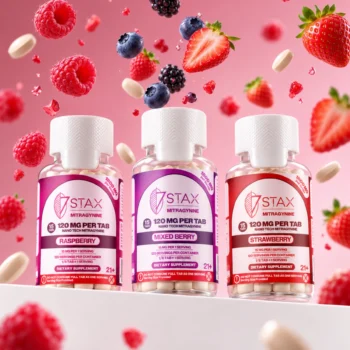
7Stax Nano Tech Mitragynine Tablets deliver 120mg per tablet in a precision split format. Each tablet breaks into 8 servings at 15mg each, offering consistent and controlled use in a flavored, easy to manage tablet.
Third-Party Lab Tested
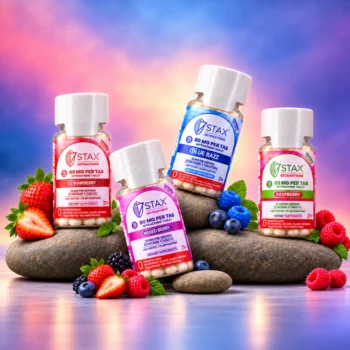
7Stax Nano Tech Mitragynine Tablets offer a smooth raspberry flavor, 80 mg per tablet, and 15 tablets per bottle. Each serving is 20 mg for simple control.
Third-Party Lab Tested
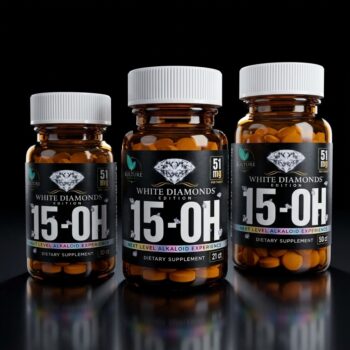
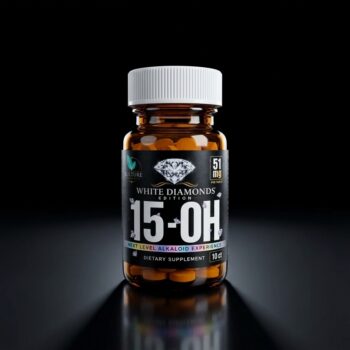
A 51mg proprietary blend of whole Mitragyna speciosa (kratom) extract, kava, two corydalis extracts, and L-theanine. “White Diamonds” is a product name, not an alkaloid claim — full ingredient panel and safety info below.

Reviews
There are no reviews yet.