-
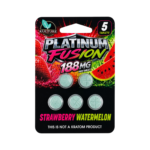
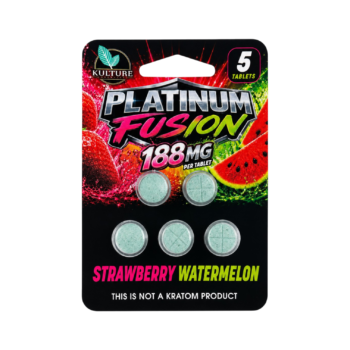
Kulture Botanicals Platinum Fusion 188mg Tablets — Strawberry Watermelon-12%LimitedOriginal price was: $40.99.$35.99Current price is: $35.99.
Meet Platinum Fusion by Kulture Botanicals — a pre-measured 188mg tablet blending Conolidine, Corydalis, Blue Corydalis, and Black Pepper extracts in a bright Strawberry Watermelon flavor. The 188mg figure is the full blend per tablet, not any single ingredient alone. Each tablet is scored into four 47mg servings. This is not a kratom product, and it contains no 7-OH, MGM-15, MGM-16, SR-17018, or Mitragynine Pseudoindoxyl.
Add to cartIn stock
It’s still an early-stage research compound, so we’ll be direct about that throughout. It’s not a household name like akuamma or kratom yet. Still, it’s gaining attention for a different reason: it may relieve pain without activating the opioid receptors that akuamma and traditional opioids rely on.
What Is Conolidine?
Conolidine is an indole alkaloid first isolated in 2004. Researchers pulled it from the bark of Tabernaemontana divaricata, a flowering shrub also called crepe jasmine or pinwheel flower. Chemists didn’t achieve a full lab synthesis until 2011. So most of what we know still comes from a fairly small body of research.
Where It Comes From
Tabernaemontana divaricata has a long history in traditional Chinese and Southeast Asian medicine. However, the raw plant itself is not something to eat or brew at home. Its leaves and milky sap contain a mix of indole alkaloids that can be toxic in whole-plant form. So every product in this category uses an isolated, extracted form of it instead of raw plant material.
How Conolidine Is Thought to Work
Early research found that conolidine doesn’t activate mu-opioid receptors the way morphine, kratom, or akuamma do. Instead, studies point to activity at ACKR3, also called CXCR7. This atypical receptor raises levels of the body’s own opioid-like peptides.
Some researchers have also proposed an effect on Cav2.2 calcium channels. The mechanism looks different from mitragynine or akuammine either way. So it’s often framed as a complement to those alkaloids, not a substitute.
Why It Shows Up in Blends
Blend makers pair conolidine with akuamma or corydalis specifically because the mechanisms don’t overlap. Akuamma leans on opioid receptors, corydalis leans on pain-signal blocking and dopamine pathways, and it works through yet another route. So a blend built this way is stacking distinct pathways, not just adding more of the same one.
Where the Research Actually Stands
Almost everything published on conolidine so far comes from cultured cells and mouse models, not human trials. That means dosing, long-term safety, and real-world effectiveness in people are still open questions. Treat any strong claim about it with some skepticism until human research catches up. Also, start with the lowest labeled amount if you decide to try it.
How to Choose a Conolidine Product
Look for a product that states conolidine as an isolated extract, not “crepe jasmine powder” or whole-plant material. Check for a linked Certificate of Analysis. Verifying actual content matters even more with a compound like this. If it’s part of a blend, read the full ingredient list. That way you know exactly what else you’re taking alongside it.
Why Shop Conolidine Extract at Burman’s Health Shop
We only list conolidine-containing products with available lab documentation, so you’re not taking a brand’s word for it. Every order ships from our Brookhaven, Pennsylvania storefront. Our team can also talk you through how a specific blend is made before you buy. We also stock the individual Akuamma and Corydalis Yanhusuo botanicals separately. So you can compare a single extract against a conolidine blend directly.
Frequently Asked Questions
What is conolidine?
Conolidine is an indole alkaloid first isolated from Tabernaemontana divaricata bark in 2004. Early research suggests it relieves pain without activating opioid receptors the way morphine or kratom alkaloids do.
Is conolidine the same as clonidine?
No, and this mix-up happens often because the names look similar. Clonidine is an FDA-approved prescription blood pressure medication. Conolidine is an unrelated plant alkaloid with a different structure and a different, still-emerging research history.
Is conolidine legal to buy?
Conolidine is not currently listed as a DEA-scheduled substance. Still, it isn’t FDA-approved for internal use. So treat any “GRAS” or “fully legal” claim from a seller as marketing language, not a regulatory fact.
Does conolidine get you high?
No. Conolidine doesn’t activate mu-opioid receptors. So the euphoria associated with opioids or kratom isn’t part of how it’s thought to work.
Can I combine conolidine with akuamma or corydalis?
Many blend tablets already do this deliberately, since the three work through different pathways. If you’re combining separate products yourself instead of buying a pre-made blend, start low and talk to a physician first.
Is conolidine safe?
Long-term human safety data doesn’t exist yet, since most research is still preclinical. Isolated conolidine extract is different from the toxic raw plant. Still, that doesn’t mean it’s risk-free, so treat it with the same caution you’d give any new supplement.
How much conolidine should I take?
There’s no established human dose. So always follow the labeled serving on the specific product you buy, and start with less than the suggested amount.
Important information: These statements haven’t been evaluated by the FDA. Conolidine products aren’t intended to diagnose, treat, cure, or prevent any disease. You must be 21 or older to purchase. Keep out of reach of children, and avoid use if pregnant or nursing. Consult a physician before use if you take prescription medication or have an existing medical condition.
References
- Conolidine (overview, discovery, and mechanism research). Wikipedia
- Synthesis of conolidine, a potent non-opioid analgesic for tonic and persistent pain. Nature Chemistry. Nature
- Indole alkaloids and anti-nociceptive mechanisms of Tabernaemontana divaricata flower extract. Journal of Ethnopharmacology. ScienceDirect
- Ethnobotany & ethnopharmacology of Tabernaemontana divaricata. ResearchGate