-
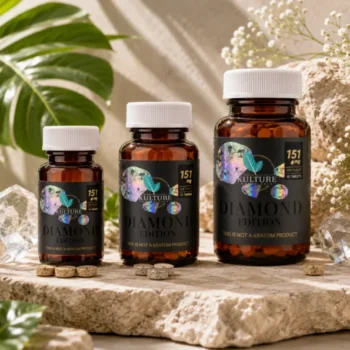
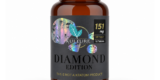
Kulture Botanicals – Diamond Edition 151mg Tablets Price range: $59.99 through $219.99Select options
Kulture Botanicals Diamond Edition 151mg Tablets combine Akuamma extract from Picralima nitida with Corydalis, Blue Corydalis, and black pepper extracts in a convenient, pre-measured tablet.
151mg refers to the complete proprietary blend per tablet—not 151mg of Akuamma alone. The labeled serving is one-half tablet, providing 75.5mg of the total blend. Available in 10-, 21-, and 50-count bottles.
-
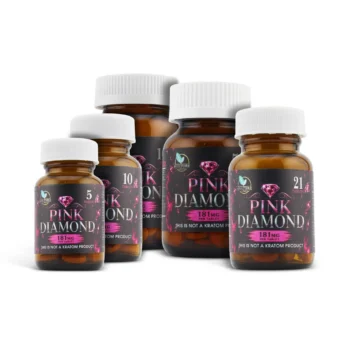
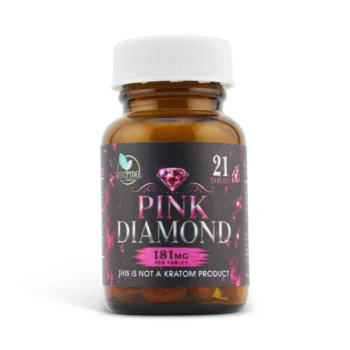
Kulture Botanicals Pink Diamond 181mg TabletsSelect optionsSaleLimitedPrice range: $70.99 through $129.99
Pre-measured tablet combining Akuamma extract from Picralima nitida with Corydalis, Blue Corydalis, and Black Pepper extracts. The 181mg figure represents the complete blend per tablet — not Akuamma alone. Each serving contains 37.75mg, as marked on your label. Available in 10-count and 21-count bottles.
-
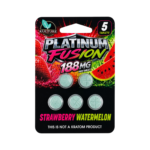
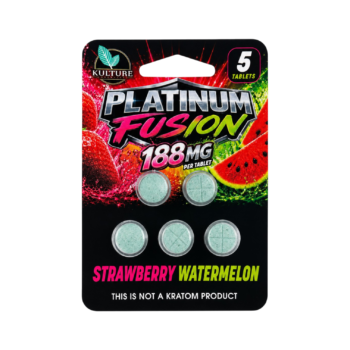
Kulture Botanicals Platinum Fusion 188mg Tablets — Strawberry Watermelon-12%LimitedOriginal price was: $40.99.$35.99Current price is: $35.99.
Meet Platinum Fusion by Kulture Botanicals — a pre-measured 188mg tablet blending Conolidine, Corydalis, Blue Corydalis, and Black Pepper extracts in a bright Strawberry Watermelon flavor. The 188mg figure is the full blend per tablet, not any single ingredient alone. Each tablet is scored into four 47mg servings. This is not a kratom product, and it contains no 7-OH, MGM-15, MGM-16, SR-17018, or Mitragynine Pseudoindoxyl.
Add to cartIn stock
-
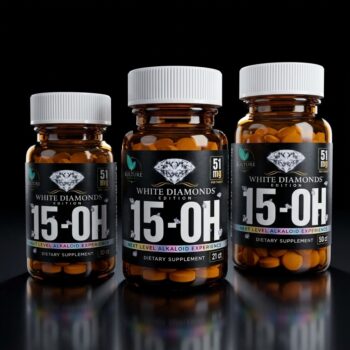
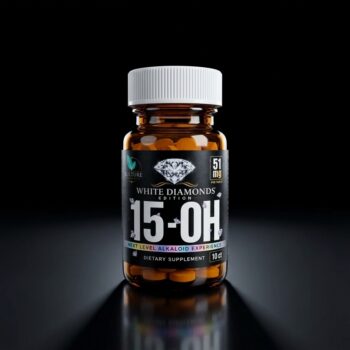
Kulture Botanicals White Diamonds 51mg | Kratom Blend Price range: $59.99 through $290.99Select options
A 51mg proprietary blend of whole Mitragyna speciosa (kratom) extract, kava, two corydalis extracts, and L-theanine. “White Diamonds” is a product name, not an alkaloid claim — full ingredient panel and safety info below.
Both plants come from long traditions of use on opposite sides of the world. Also, both have become popular with people exploring options outside kratom.
Akuamma at a Glance
Akuamma is the seed of Picralima nitida, a tree native to West and Central Africa. Generations of West African communities have used the seed for fever, pain, and digestive complaints. Its main alkaloid, akuammine, interacts with opioid receptors and is structurally similar to mitragynine, kratom’s primary compound. That similarity is exactly why akuamma is the botanical most often marketed as a kratom alternative.
Corydalis Yanhusuo at a Glance
Corydalis yanhusuo is a tuberous plant from the poppy family, used for centuries in Traditional Chinese Medicine. Its key alkaloids include tetrahydropalmatine (THP), dehydrocorydaline, and corydaline. Researchers believe these compounds block pain-signal channels and affect dopamine receptors. So its traditional use leans toward pain relief and calming effects, rather than the opioid-receptor pathway akuamma relies on.
How the Two Compare
Akuamma’s alkaloid profile is narrower and centers on one dominant compound, akuammine. So it delivers a fairly consistent effect from seed to seed. Corydalis contains over 80 alkaloids, and commercial extracts can vary more from batch to batch as a result.
Akuamma’s opioid-receptor activity puts it closer to kratom in mechanism. Corydalis instead works through pain-signal blocking and dopamine modulation. So the two aren’t simply stronger or weaker versions of each other, they just work differently.
Which One Might Fit You Better
If you want something closer to kratom’s mechanism, akuamma is the more direct comparison. Corydalis has a long pain-relief and calming track record in Traditional Chinese Medicine instead, so it’s the better starting point if that’s what you’re after. Either way, start with the lowest labeled serving. Also, read the Certificate of Analysis before you buy, since potency and alkaloid content vary by brand.
Want Both? Try a Botanical Blend
Some shoppers don’t want to choose. Our Botanical Blends category carries tablets that combine akuamma and corydalis extract in one dose, like the Kulture Botanicals Diamond Edition line. Many also add black pepper extract to help absorption. That’s a separate category from this one, built specifically for multi-ingredient formulas.
Why Shop Akuamma and Corydalis at Burman’s Health Shop
We post lab documentation for every product we carry. So you can check what’s actually in the bottle before you order. Every order ships from our Brookhaven, Pennsylvania storefront. Our team can also help you compare formats if you’re not sure which botanical to start with, and we stock both plants across capsules, tablets, and powder.
Frequently Asked Questions
What’s the main difference between akuamma and corydalis yanhusuo?
Akuamma works mainly through opioid receptors and comes from a West African seed. Corydalis yanhusuo instead works through pain-signal blocking and dopamine pathways, and it comes from an East Asian tuber.
Is one more potent than the other?
Potency depends on the specific product and extract ratio, not just the plant. A high-ratio corydalis extract can outperform a low-dose akuamma product. The reverse is also true, so always check labeled strength instead of assuming.
Can I take akuamma and corydalis together?
In fact, some people do, and that’s exactly what pre-made blend tablets are built for. If you combine separate products yourself, start low and talk to a physician first, especially if you take other medication.
Which one is closer to kratom?
Akuamma is generally the closer comparison to kratom. Its main alkaloid shares structural similarities with mitragynine and acts on the same opioid-receptor pathway.
Are akuamma and corydalis legal to buy?
Both are currently unrestricted at the federal level, and neither is a DEA-scheduled botanical. Still, neither one is FDA-approved for internal use, so always check your own state’s rules before you order.
Do they have side effects?
Both can cause drowsiness or stomach upset in some people. Reports have also linked corydalis specifically to rare cases of allergic reaction and liver stress. Neither should be combined with sedatives or blood pressure medication without medical advice.
Which format should I start with?
Capsules and tablets give you a consistent labeled dose, so they’re easier to start low with. Powder offers more flexibility instead, but it requires you to measure your own serving.
Important information: These statements haven’t been evaluated by the FDA. Akuamma and Corydalis Yanhusuo products aren’t intended to diagnose, treat, cure, or prevent any disease. You must be 21 or older to purchase. Keep out of reach of children, and avoid use if pregnant or nursing. Consult a physician before use if you take prescription medication or have an existing medical condition.
References
- Opioid activity of alkaloids extracted from Picralima nitida. European Journal of Pharmacology. PubMed
- Isolation and Pharmacological Characterization of Six Opioidergic Picralima nitida Alkaloids. Journal of Natural Products. ACS Publications
- A Review of the Traditional Uses, Botany, Phytochemistry, Pharmacology, Pharmacokinetics, and Toxicology of Corydalis yanhusuo. SAGE Journals
- Corydalis Yanhusuo: Overview, Uses, Side Effects, Precautions, Interactions, Dosing. WebMD
- Kratom vs. Akuamma: Similarities & Differences. Kratom.org